- Usama Eitezaz
- ISLAMABAD BRAZILIAN JIU JITSU
Executive Summary
At Islamabad Brazilian Jiu-Jitsu (ISBBJJ), safety is foundational to our sport and pedagogy. BJJ is a close-contact discipline that requires physical proximity, trust, and interaction between children and adults. Our training environments are structured for safety, with rules designed to minimize physical injury. However, child safety extends beyond physical risk to emotional, psychological, and institutional protection.
While Pakistan has general police-administered criminal background checks, there is no dedicated, continuous, risk-based clearance mechanism for adults working directly with children. Whether as teachers, daycare staff, sports coaches, or mentors. This gap is not cultural or religious; it is systemic and procedural, rooted in fragmented background systems without integration or ongoing monitoring.
International models, particularly the Australian Working With Children Check (WWCC) demonstrate how structured child-safety screening, continuous monitoring, and risk assessment can significantly enhance protections for children in sport and other child-facing roles. Implementing a similar system in Pakistan, supported by policy reform and institutional integration, will ensure that children participating in BJJ and other activities are protected comprehensively, i.e. physically, emotionally, and psychologically.
- The Nature of BJJ & the Scope of Child Safety
BJJ’s structure demands close contact, physical engagement, and repeated partner interactions, requiring athletes, especially children to train in grips, positions, and controlled submissions. These dynamics necessitate heightened child safety practicesbeyond injury prevention:
- Safe physical technique enforcement (e.g., age-appropriate rules, tap-early culture)
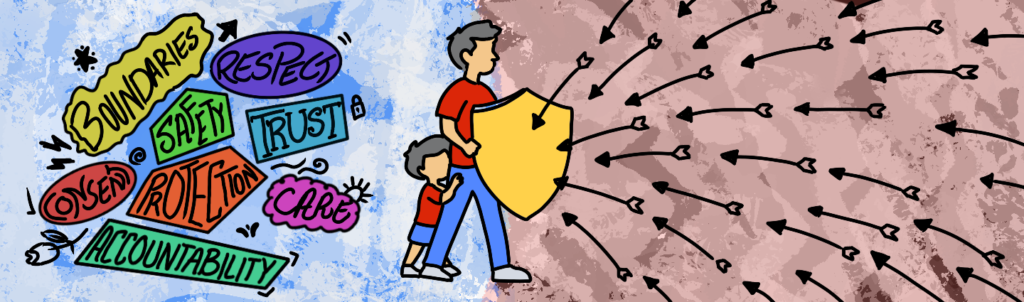
- Behavioral safeguarding (respect, consent, boundaries)
- Personnel suitability assessments that address not only criminal history but risk indicators specific to working with minors
Child safety should encompass protections against physical abuse, sexual misconduct, emotional harm, and neglect all while fostering positive environments of trust and growth.
- Limitations of Current Systems in Pakistan
Police Character Certificates
Pakistan’s enforcement of background checks is currently police-centric and operationally inconsistent:
- Each provincial police force issues character certificates under its own rules.
- These certificates typically verify recorded convictions but do not assess suitability for child-facing roles or ongoing risk.
- There is no continuous monitoring or integration of emerging legal or protective information that could flag risk after the initial clearance.
As a result, an adult with no recorded conviction even if under investigation or showing concerning behavior could legally be employed to work with children. This creates a significant systemic vulnerability to child safety in sport and other sectors.
- International Best Practices: Australian Working With Children Checks
Australia’s Working With Children Check (WWCC) and equivalent systems illustrate a strong, structured safeguarding framework that can serve as a model:
- WWCC examines criminal charges, convictions, discipline and child protection records to evaluate an individual’s suitability to work with children.
- Screening is conducted by state/territory agencies but commonly operates with similar legal purposes: protecting children, preventing harm, and creating safe environments.
- Clearances are time-limited and continuously monitored, allowing revocation if new risks arise.
- Sport integrity bodies explicitly require valid WWCCs for coaches, referees, and volunteers working with youth.
- Best-practice safeguarding frameworks emphasize codes of conduct, risk reporting, and behavioral training alongside the check itself.
In some jurisdictions, WWCC applies broadly, even to volunteers and visitors involved in special events or regular contact with children which demonstrates the comprehensive reach of effective child safety protocols.
- Why Pakistan Needs a Child-Specific Clearance System
Child Safety Risks in Pakistan
Recent data spotlight the urgency of improved child protection frameworks. For example, a 2024 report by SSDO documented:
- 7,608 cases of child violence/sexual abuse reported nationwide
- ~2,954 sexual abuse cases
- ~2,437 kidnappings or abductions
- ~586 instances of child trafficking
Significantly, many cases remained under investigation or without conviction, reflecting gaps in enforcement and monitoring. Conviction rates for child abuse categories in the report were under 1%, highlighting structural weaknesses in translating reporting into protective action.
This systemic gap allows individuals to enter child-facing roles with minimal vetting, placing children at avoidable risk.
- Blueprint for a Child Safety Screening Framework
To create a child-safe sport and community environment in Pakistan which would be applicable to BJJ and other sports, Pakistan should adopt a framework with the following core elements:
- A) Mandatory Pre-Engagement Screening
- Criminal history checks (existing police checks)
- Risk assessment indicators (pending investigations, restraining orders against child harm)
- Reference verification regarding professional conduct with minors
- B) Ongoing Monitoring
- Checks must be refreshed periodically
- Mechanisms must flag new allegations or changes in status post-clearance
- C) Behavioral and Training Requirements
- Codes of conduct aligned with child safety principles
- Mandatory child protection training for all staff and volunteers
- Clear reporting pathways for concerns or allegations
- D) Whistleblower and Reporting Protection
- Anonymous and protected reporting systems for children and adults
- Safe mechanisms to escalate concerns to competent authorities
- E) Public Accountability
- Published lists of approved coaches and volunteers
- Transparent process for revoking and appealing clearances
These features mirror successful components of global child safety models (e.g., WWCC) but must be tailored to local legislative, administrative, and cultural contexts.
- Extending Beyond Background Checks: A Child-Safe Culture
Child safety in sport is not only about vetting adults. It also requires organizational cultures that prioritize:
- Respectful interaction policies
- Zero tolerance for misconduct
- Educating children about their rights and reporting avenues
- Parental engagement and communication
Sport bodies globally integrate these strategies as part of comprehensive child-safe frameworks. For instance, Australian child-safe policies link Working With Children Checks with child safety training, codes of conduct, and reporting mechanisms to create holistic environments.
- Conclusion: Safety as a System, Not an Afterthought
Pakistan’s current background check processes are insufficient for protecting children in close-contact settings like BJJ, sports coaching, education, and child-facing roles. A child-specific, risk-based screening system complemented by ongoing monitoring, behavioral norms, and cultural safety training is essential. The example of the Australian WWCC and similar frameworks shows how child safety can be structured, enforceable, and continuous and is not just a one-off character certificate.
To protect Pakistan’s youth whether on the mats, in classrooms, or in extracurricular spaces, the country needs a modern, coordinated child safety infrastructure that prioritizes prevention and accountability.
